
Turkmenistan
Turkmenistan
National Flag
National Emblem
Languages
Religions
About
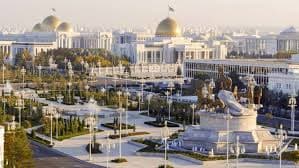
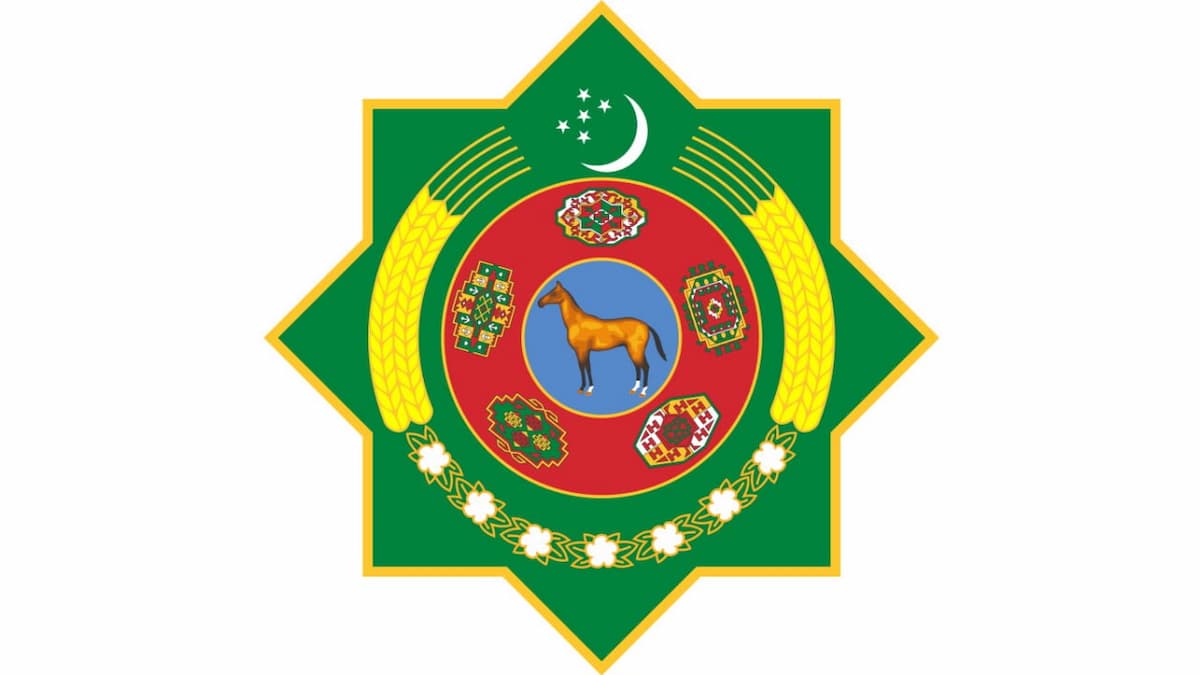
Turkmenistan is Central Asia's enigma—a country that guards its secrets behind a veil of isolation, rewarding those who penetrate its mysteries with some of the region's most extraordinary experiences. From the white marble splendour of its capital to the burning gates of hell in its desert heart, from the ruins of ancient civilisations to the legendary beauty of its horses, Turkmenistan offers a journey unlike any other. The capital Ashgabat, holds a Guinness World Record for the highest concentration of white marble-clad buildings anywhere on earth. This gleaming city of wide boulevards and monumental architecture presents a vision of futuristic grandeur that can seem almost hallucinatory after the desert approaches. The Independence Monument complex, the golden-domed Ertugrul Gazi Mosque, and the Alem Ferris wheel (one of the world's largest indoor Ferris wheels) create a cityscape of startling ambition. By night, the buildings are illuminated in a symphony of coloured lights, transforming the capital into a glittering mirage on the edge of the Karakum Desert. Yet Turkmenistan's true treasures lie beyond the capital's marble facades. The Darvaza Gas Crater, known to travellers as the "Door to Hell," is one of the most surreal sights on earth. This flaming pit in the Karakum Desert, some 70 metres wide, has been burning continuously since 1971, when Soviet geologists set it alight to prevent the spread of methane gas. Today, its flames leap and flicker against the night sky, creating an infernal spectacle that draws adventurous travellers to camp on its rim. The experience of watching the sun set over the desert and then witnessing this eternal flame illuminate the darkness is unforgettable. For history enthusiasts, Ancient Merv – is a pilgrimage destination of the highest order. This UNESCO World Heritage site preserves the remains of one of the great cities of the Islamic world, a metropolis that flourished under the Seljuk Empire as a centre of learning, trade, and culture. The mausoleum of Sultan Sanjar, with its innovative double dome, still stands as a monument to medieval architectural genius. Wandering among the ruins of this once-great city—its walls, its citadels, its countless structures—is to walk through two millennia of history. Kunya-Urgench, in the country's north, offers another glimpse into Turkmenistan's rich past. This ancient city on the Silk Road preserves magnificent monuments from the Khwarezmian civilisation, including the towering Kutlug Timur minaret and the beautifully decorated mausoleums of Turabeg Khanym, Il Arslan, and Sultan Tekesh. Together with Merv, these sites attest to Turkmenistan's central role in the cultural and commercial networks that connected Asia and Europe for centuries. No visit to Turkmenistan would be complete without encountering its most celebrated inhabitants: the Akhal-Teke horses. These legendary animals, with their metallic sheen and graceful build, are the national symbol of Turkmenistan, bred for centuries by the Turkmen people for speed, endurance, and loyalty. At breeding farms near Ashgabat, visitors can admire these living treasures and, if fortunate, witness the annual Turkmen Horse Day celebrations, when the country's finest specimens are displayed in all their glory. The Karakum Desert, covering 80% of Turkmenistan, offers its own austere beauty. Beyond Darvaza, the desert stretches endlessly, home to wildlife adapted to extreme conditions and to communities that have learned to thrive in this challenging environment. The Sarykamysh Lake, on the desert's edge, attracts birdwatchers and nature lovers, while adventure tours offer opportunities for camping, wildlife observation, and experiencing the profound silence of the desert night. On the Caspian Sea coast, the Avaza National Tourist Zone represents Turkmenistan's ambitions for international tourism. This resort complex, with its hotels, recreational facilities and man-made river, offers a beach holiday experience combined with Caspian Sea views. While still developing, Avaza provides a comfortable base for exploring the western regions. Recent developments have made Turkmenistan somewhat more accessible. The introduction of an e-Visa system in April 2025 simplified entry procedures, while new international airports and improved infrastructure support growing tourist numbers. However, the country remains best experienced through organised tours, which navigate the visa requirements and provide essential context for understanding this complex and fascinating nation. For the traveller willing to navigate its challenges, Turkmenistan offers rewards that justify the effort. Its combination of natural wonders, archaeological treasures and architectural ambitions creates an experience that stands apart from anywhere else in Central Asia. In a region rich with wonders, Turkmenistan remains the most mysterious – a country that reveals its secrets slowly, but unforgettably, to those who seek them.